

Why is Costa Rica the ideal place for growing hemp?
Costa Rica has established itself as a privileged destination for hemp cultivation, thanks to a unique combination of natural, regulatory and cultural factors that favor this emerging industry. Its tropical climate, the quality of its soil, the evolution of its legal framework and the country's rich agricultural tradition create the perfect conditions for the successful cultivation of hemp, positioning Costa Rica as a benchmark in the sustainable production of this crop.

Agricultural Tradition and Sustainable Experience
Costa Rica’s strong agricultural tradition plays a key role in the success of hemp cultivation. The country has vast experience in commercial and organic crop production, which has allowed its farmers to acquire a deep knowledge of sustainable agricultural practices. This experience makes it easier for them to adapt and transition to hemp cultivation, contributing to the creation of a robust and sustainable value chain around this emerging crop.
Costa Rica’s tropical climate, with warm temperatures year-round and a consistent distribution of rainfall, is ideal for growing hemp. This plant is highly adaptable and can thrive in a variety of climatic conditions. The variety of microclimates offered by the country allows it to be optimally grown at both high and low altitudes. In particular, Guanacaste stands out for its exceptional conditions for growing hemp due to its high sun exposure and stable climate.

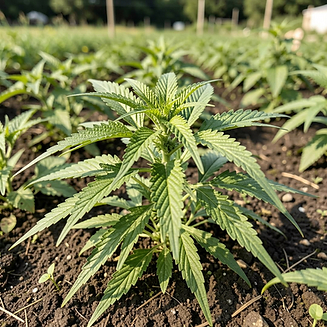
Costa Rica’s tropical climate, with warm temperatures year-round and a consistent distribution of rainfall, is ideal for growing hemp. This plant is highly adaptable and can thrive in a variety of climatic conditions. The variety of microclimates offered by the country allows it to be optimally grown at both high and low altitudes. In particular, Guanacaste stands out for its exceptional conditions for growing hemp due to its high sun exposure and stable climate.
Agricultural Tradition and Sustainable Experience
Características Cáñamo Algodón Lino
Tiempo de crecimiento 90 - 120 días 150 - 180 días 100 - 120 días
Uso de agua Bajo - moderado Muy alto Moderado
Uso de pesticidas Muy bajo Alto Bajo - moderado
Rendimiento de fibra Alto (hasta 2–3 t/ha) Medio Medio
Mejora del suelo Si No Limitada
Costa Rica’s strong agricultural tradition plays a key role in the success of hemp cultivation. The country has vast experience in commercial and organic crop production, which has allowed its farmers to acquire a deep knowledge of sustainable agricultural practices. This experience makes it easier for them to adapt and transition to hemp cultivation, contributing to the creation of a robust and sustainable value chain around this emerging crop.